

Welcome to the Chair of Cultural Geography
-----------------------------------------------------------------------------------------------------------
If you would like to submit an application to have coursework/credits from other universities recognized, please contact Wen-Chi Huang: wenchi.huang@uni-bayreuth.de
-----------------------------------------------------------------------------------------------------------
Cultural Geography studies how knowledge, meaning, and societal order are created, negotiated, and changed. It revolves around cultural processes that are inextricably intertwined with power relations, social inequality, and material and symbolic spaces. Cultural Geography does not consider places, space, networks, and territories simply as given, but as the result of historical, political, economic, and social negotiations.
Cultural Geography is thus not a strictly separable sub-discipline with clearly delimited objects of investigation. Rather, we understand it as an analytical approach through which discursive, symbolic, representational, and quantitative dimensions of all geographic phenomena may be investigated. Since scientific inquiry is itself a cultural and power-laden process, cultural geographic research is characterized by a high degree of reflexivity regarding its own perspectives, positionality, and implicit assumptions.
In keeping with this broad view of Cultural Geography, the members of the Chair of Cultural Geography focus on different thematic areas addressed through specific perspectives on power, knowledge, and space. Among them are:
- The politics of social categorization
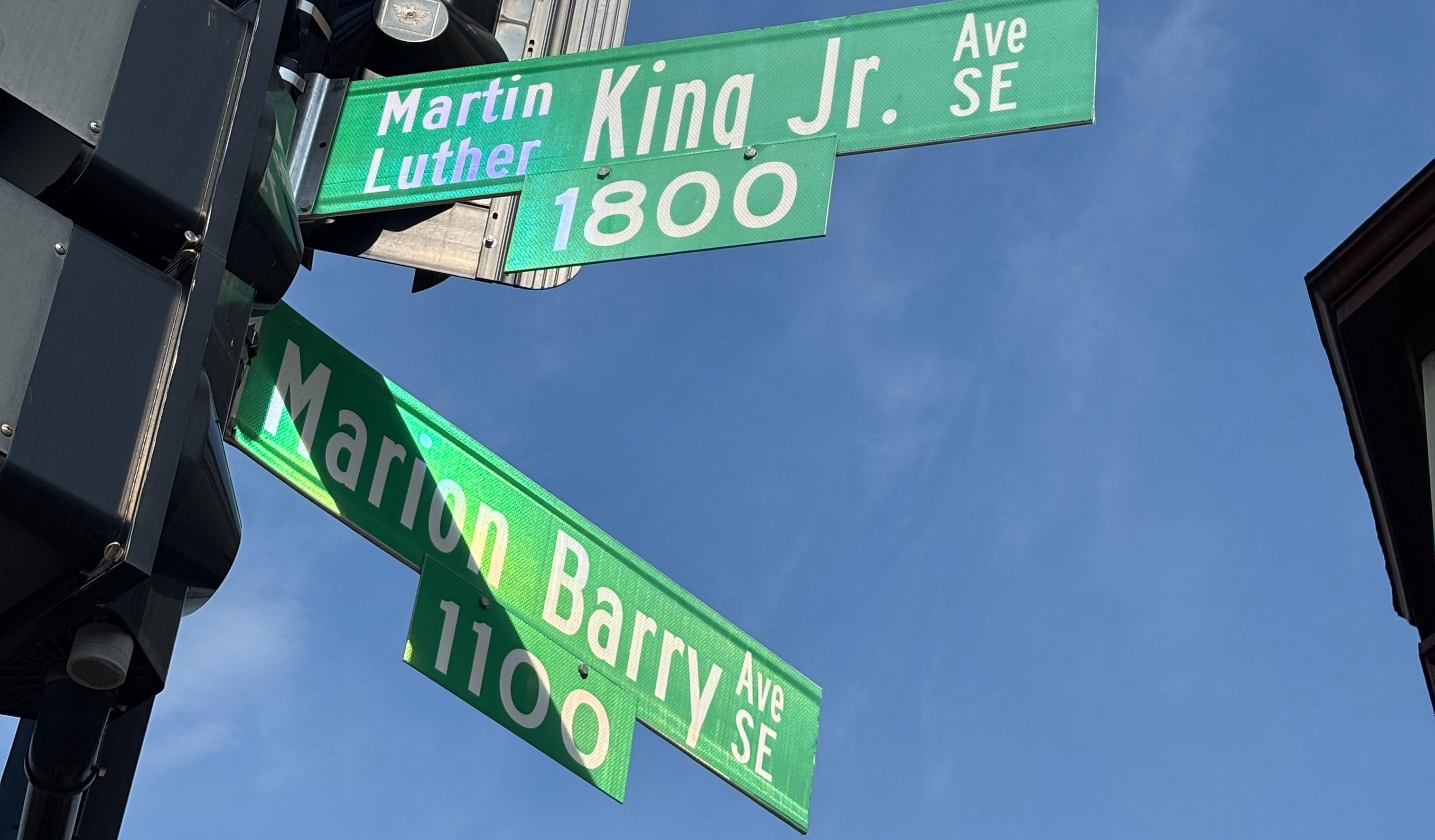
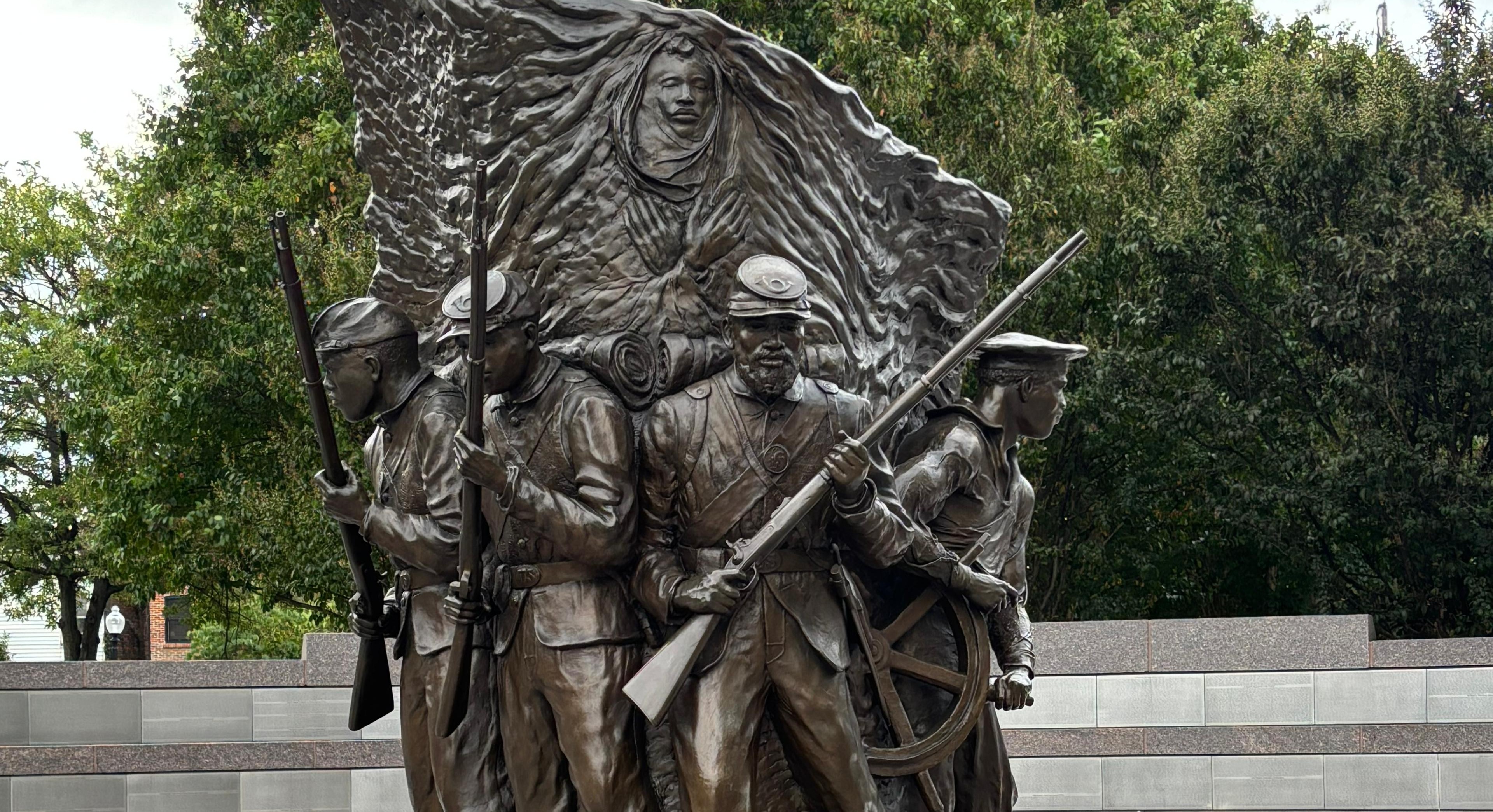
- Different forms of spatial justice, such as mobility and care, spatial inequality and work conditions, or local political struggles in the U.S. capital, Washington, D.C.
- Perspectives from Geopolitical Economy, for example on power struggles revolving around the semiconductor industry in Taiwan
- Critical social and political theory
In all these cases, we are aware of the complex interdependencies between power, knowledge, and meaning and integrate these interdependencies into our research.